

I spent nearly three years growing a successful construction company, certain the money I sent home kept my wife comfortable.
When I finally returned to surprise her, my sister said she had walked away from our marriage.
Something about her explanation did not feel right.
A woman from our hometown later guided me to a small shed past an old woodworking shop.
Inside, I found my wife seated beside a sewing machine, still wearing the wedding ring I had placed on her finger years before.
When she saw me, she did not smile or run into my arms.
Instead, she stepped backward and asked, “Did you come to make sure I followed your instructions and left the house?”
I stared at her.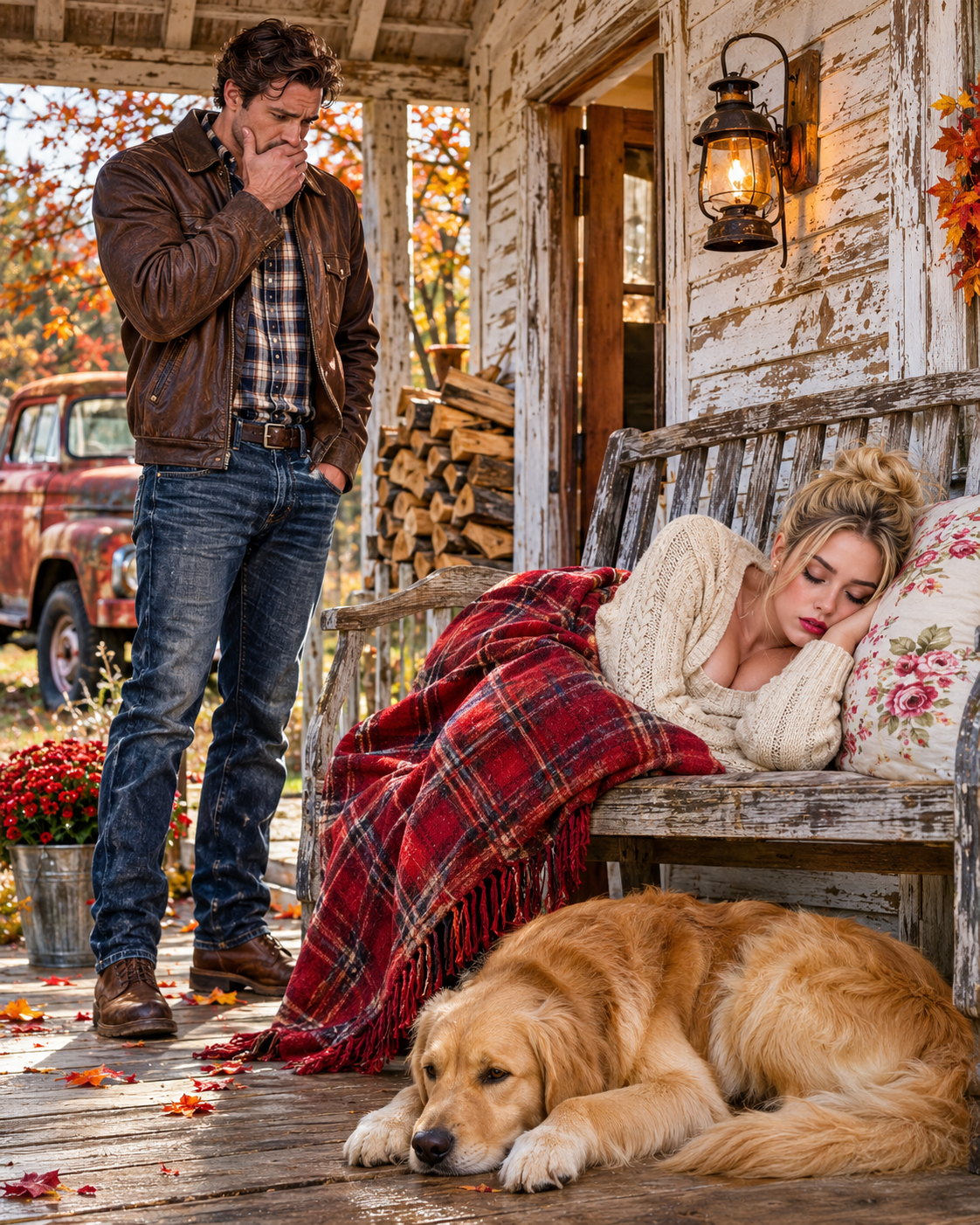
“What instructions? I never told you to leave.”
Then she handed me a letter bearing my signature.
What I discovered afterward would change everything I thought I knew about my family.
Chapter 1: The Homecoming I Had Imagined
My name is Bennett Holloway, and for almost three years I convinced myself that working hard equaled taking care of the people I loved.
I was forty-one when I finally drove back to my hometown outside Asheville, North Carolina.
On the passenger seat sat a bouquet of white roses and a small velvet box holding a necklace I had bought for my wife, Mallory.
I had pictured our reunion countless times.
She would open the front door, look surprised, and maybe scold me for arriving without warning.
Then I would hold her close and promise the years of constant travel were finally ending.
Instead, my younger sister, Valerie, answered the door.
Her smile faded when she recognized my truck.
“Bennett? Why didn’t you tell us you were coming?”
“I wanted to surprise Mallory. Where is she?”
Valerie glanced over her shoulder.
“Mallory doesn’t live here anymore.”
For a moment I thought I had misunderstood.
“What do you mean she doesn’t live here?”
“She left. It was her decision. You two hadn’t been happy for a long time.”
My sister’s husband, Curtis, appeared behind her.
He folded his arms and added, “Sometimes people get tired of waiting, Bennett. You can’t blame her for wanting another life.”
My mother, Beverly, stood near the hallway.
When I asked whether this was true, she lowered her eyes.
“Some things are better left alone, sweetheart.”
I walked past them into the house.
The furniture had changed.
A huge television filled the living room.
The framed wedding photograph that once hung beside the dining room was gone.
Even Mallory’s beloved flowerpots had vanished from the porch.
I had bought that house shortly after our wedding and trusted Valerie to help manage household expenses while my business grew in Charlotte.
Every month I transferred money for groceries, utilities, repairs, and anything Mallory might need.
Whenever I asked about my wife, Valerie offered another explanation.
Mallory was busy.
Mallory was upset.
Mallory didn’t feel like talking.
I accepted those answers because they let me keep working without facing the growing distance between us.
Now I realized how little I actually knew.
Chapter 2: The Woman at the Roadside Stand
That afternoon I walked through town trying to clear my head.
Near the old courthouse I stopped at a roadside produce stand owned by Mrs. Dottie Palmer, a woman who had known my family since childhood.
When she recognized me, her expression shifted.
“Bennett Holloway. You’ve finally come home.”
I forced a smile.
“I’m looking for Mallory. Have you seen her?”
Mrs. Palmer slowly set down the basket she held.
“Honey, do you really not know where your wife has been living?”
My stomach tightened.
“My sister says she moved away.”
The older woman looked at me for several seconds.
Then she pointed toward a narrow gravel road behind an abandoned woodworking shop.
“Follow that road until you see a little building with a patched metal roof. That’s where you’ll find her.”
I hurried back to my truck.
The road grew too narrow to drive, so I parked and continued on foot.
At the end of the path stood a small wooden shed.
Its roof sagged in the middle.
Plastic covered one broken window.
A few flowerpots stood beside the entrance.
Through the window I saw a sewing machine, a folding table, and a thin mattress on the floor.
Then I saw Mallory.
She looked smaller than I remembered.
Her hair was tied back, and her hands were rough from work.
Yet something familiar remained in the way she leaned over her sewing machine, carefully guiding fabric beneath the needle.
And on her left hand was our wedding ring.
“Mallory?”
She turned.
For one brief second I saw recognition in her eyes.
Then her expression hardened.
“Why are you here, Bennett?”
“I came home to see you.”
She stood and moved away from the table.
“Did you come to make sure I obeyed your order to leave?”
I could barely speak.
“I never ordered you to leave.”
Mallory opened a drawer and removed an old envelope.
“Then explain why this letter has your signature.”
Chapter 3: The Letters I Never Wrote
I unfolded the paper beneath the dim ceiling light.
The letter claimed I had met another woman and no longer wanted Mallory in my life.
It instructed her to leave the house and stop contacting me.
At the bottom was a signature that looked remarkably like mine.
But the words were not mine.
“Mallory, I didn’t write this.”
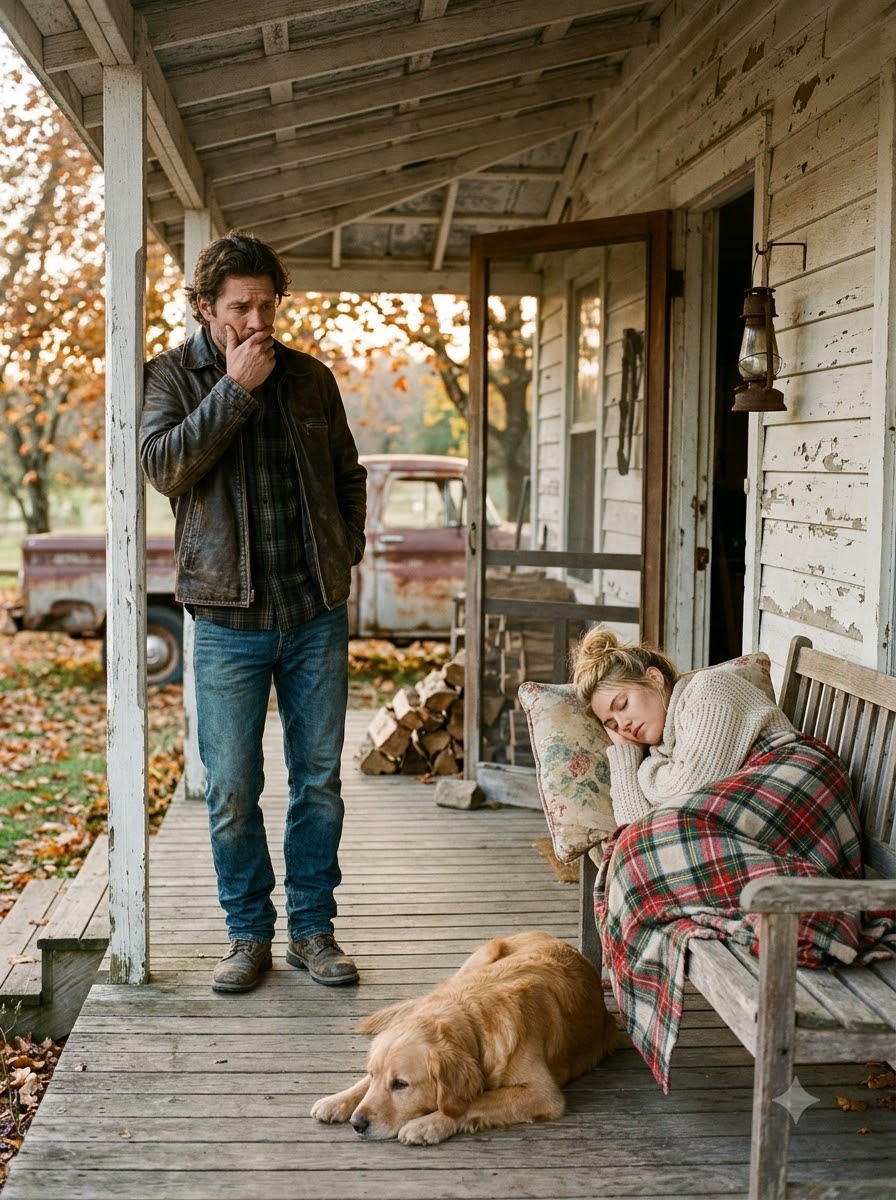
She looked exhausted rather than surprised.
“There were three letters, Bennett. Three. Every one told me the same thing.”
“I never sent them.”
She reached beneath the table and pulled out a shoebox filled with envelopes.
“And these are the letters I wrote to you. Most came back. The others were never answered.”
I opened one.
It described her confusion after receiving the first letter.
Another asked whether I truly wanted our marriage to end.
The final letter simply begged me to speak to her directly before making such a painful decision.
I had never seen any of them.
“Valerie told me you wanted her to collect my belongings,” Mallory continued. “Curtis carried my bags outside during a rainstorm. Your mother stood on the porch and watched.”
I felt sick.
“But I sent money every month.”
Mallory gave a tired laugh.
“I couldn’t even afford a doctor’s appointment when I got sick. Mr. Wilkes from the woodworking shop paid for my medicine, and Mrs. Palmer brought me groceries.”
I reached for her hand.
She pulled away.
“You don’t get to come back with flowers and expect everything to be the way it was.”
I sat on an old wooden chair.
For the first time I understood something painful.
Even if I proved I had not written those letters, I still had to answer for almost three years of silence.
Chapter 4: The Money That Never Reached My Wife
The following morning I visited my bank.
The records confirmed I had sent money regularly.
They also showed that Valerie, whom I had authorized to manage the account, had withdrawn nearly all of it.
There were payments listed as medical expenses for Mallory, even though she had received no such care.
Other transfers went to accounts I did not recognize.
I immediately contacted my company’s attorney, Natalie Keene.
After reviewing the documents, Natalie called me with another troubling discovery.
“Bennett, someone is trying to sell the parcel behind your house.”
“That’s impossible. Nobody has permission to sell it.”
“The paperwork contains Mallory’s signature. We need to establish whether she actually signed it.”
“She didn’t even know about the sale.”
“Then we need to act quickly. I’ve contacted the closing attorney to dispute the transaction, but we must review the original deed.”
The next morning Mallory reluctantly agreed to accompany me to Natalie’s office.
Natalie spread several documents across her desk.
Years earlier, when my construction company was just beginning, I had arranged for our home to be placed entirely in Mallory’s name.
I wanted her to have financial security no matter what happened to my business.
Over time I had forgotten how important that decision was.
Natalie pointed to the ownership information.
“Bennett, this property doesn’t legally belong to you.”
I looked at her.
“What?”
“The house and the adjoining land are both registered solely in Mallory’s name.”
Mallory leaned forward and read the deed twice.
Then she whispered, “So they forced me out of my own house.”
No one spoke.
The truth was worse than either of us had imagined.
Chapter 5: A Secret Hidden in an Old Phone
Natalie advised us to gather every document we could find.
I contacted Mr. Wilkes, the carpenter who had helped Mallory survive.
He remembered the evening she was forced to leave.
“It was raining hard,” he told me. “Curtis put her bags outside. Your mother stood nearby, but nobody stopped him.”
He showed me receipts for roofing materials, groceries, and a medical bill he had covered when Mallory became ill.
I thanked him, struggling to control my emotions.
Then I examined my old phone.
Mallory’s number was on the blocked-contact list.
I stared at the screen, remembering that Valerie had borrowed that phone during one of her visits to Charlotte.
The blocked number explained why Mallory’s calls had not reached me.
But it did not explain why I had never driven home to find out what was happening.
When I told Mallory, she looked away.
“I called you one night when I was having trouble breathing. I wasn’t asking for money, Bennett. I just wanted to know whether you still cared.”
Her words stayed with me.
“I did care,” I answered. “But I wasn’t there when you needed me. I know that proving what Valerie did won’t erase my part in this.”
Mallory closed the notebook where she recorded her sewing orders.
“Then stop trying to fix everything for me. Start by listening.”
I nodded.
“I’m listening.”
“I want to make my own decisions from now on.”
Chapter 6: The Unexpected Witness
Two days later my twelve-year-old niece, Harper, arrived at Mallory’s shed carrying a bag of groceries.
She was Valerie and Curtis’s daughter.
Mallory greeted her warmly.
Harper hesitated before speaking.
“Aunt Mallory, I think there’s something you should hear.”
She pulled an old phone from her backpack.
Several weeks earlier Harper had left it recording while preparing a school assignment.
Without realizing it, she had captured part of an argument between her parents.
In the recording Curtis complained about unpaid business debts and asked when another payment from me would arrive.
Valerie sounded frightened.
Then she said something that made my blood run cold.
“I’m not copying another signature. We’ve already gone too far.”
Harper’s eyes filled with tears.
“I don’t want my parents to get into trouble.”
Mallory moved closer and gently placed a hand on her shoulder.
“Sweetheart, what the adults have done isn’t your responsibility. You don’t have to solve this.”
We stopped listening.
Natalie later explained that the recording might help clarify what had happened, but the bank records, property documents, and witness statements would be especially important.
Further examination revealed that Curtis had accumulated substantial debts after a failed building-supply venture.
Valerie had initially taken small amounts from the household account.
When those withdrawals became harder to explain, she began using Mallory’s name to justify larger expenses.
The forged letters had created distance between us.
The blocked calls kept that distance in place.
And the attempted land sale appeared to be their latest effort to obtain money.
I wanted to confront them immediately.
Mallory stopped me.
“This time, Bennett, you’re not going to speak for me.”
“What do you want to do?”
She looked at the copy of her deed.
“I want to walk into my house and tell them the truth myself.”
Chapter 7: The Woman Who Returned as the Owner
Natalie helped Mallory report the questionable signature and prepare the necessary documents.
Then Mallory requested a family meeting.
I arrived first.
Valerie had set coffee and pastries on the dining table.
Curtis tried to make casual conversation about property values.
My mother sat silently near the window.
“Valerie,” I began, “you told me Mallory left because she wanted to.”
“That’s right. She was tired of waiting for you.”
“Then why did Curtis carry her belongings outside in the rain?”
Valerie froze.
Before she could answer, the front door opened.
Mallory entered wearing a beautiful blue blouse she had sewn herself.
Natalie followed, carrying a folder.
I stood to offer Mallory my chair.
She quietly chose the seat at the head of the table.
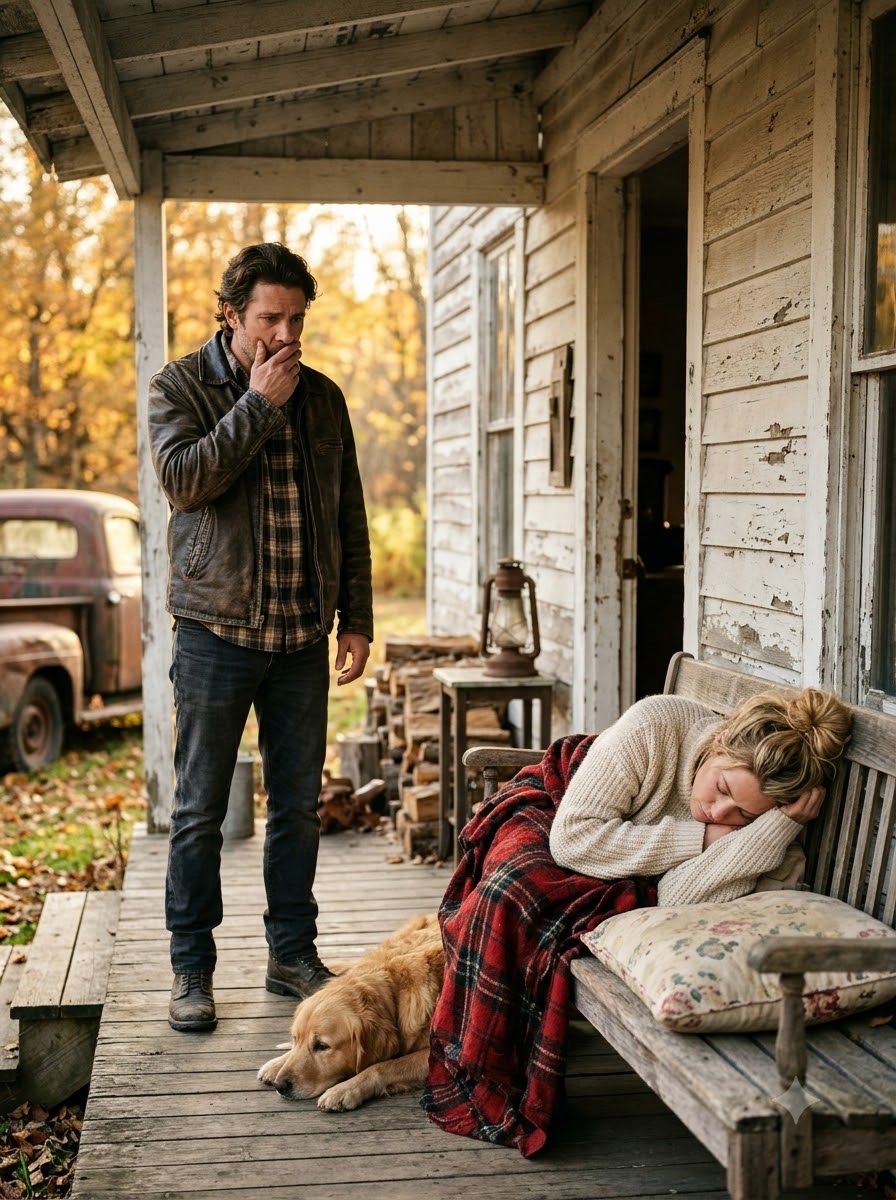
“Good afternoon,” she said. “I’m here to discuss my house.”
Valerie gave a nervous laugh.
“Your house?”
Mallory opened the folder and placed the deed on the table.
“Yes. My house. The one you made me leave. And the land someone tried to sell using a signature I never gave.”
Curtis immediately insisted there had been a misunderstanding.
Natalie presented the disputed sale paperwork and the banking records.
Valerie claimed the withdrawals had been ordinary household expenses.
Then I pointed to several payments labeled as Mallory’s medical bills.
“If this money paid for Mallory’s treatment, why was she borrowing money from neighbors to buy medicine?”
Valerie said nothing.
Curtis admitted they had been struggling financially but insisted they intended to replace the money.
Valerie turned on him.
“You were the one who kept asking me to take more!”
“And you were the one who wrote those letters!” Curtis replied.
Their carefully prepared story began falling apart.
Mallory waited until they stopped arguing.
Then she spoke calmly.
“I spent years sleeping beneath a leaking roof while you lived in my home. I’m not interested in hearing more excuses.”
She looked from Valerie to Curtis.
“I want you to leave, return the keys, and address what happened to my money and my property.”
My mother began crying.
I turned toward her.
“Mom, did you know Mallory was being forced out that night?”
She nodded.
“I was afraid that if I stood against Valerie, I would lose my daughter.”
I looked at her sadly.
“And because you were afraid of losing Valerie, you let Mallory lose her home.”
Mallory did not offer forgiveness.
She simply gathered her documents.
For the first time in years she was the person making the decisions.
Chapter 8: Getting the Keys Back
Valerie and Curtis did not leave immediately.
Natalie arranged a written agreement establishing when they would vacate the property.
We documented the belongings, canceled Valerie’s banking authorization, and continued the legal process concerning the disputed signatures and missing funds.
There was no guarantee every dollar would be recovered.
But the attempted sale had been stopped, and Mallory’s ownership was no longer being ignored.
Several weeks later we finally received the keys.
I accompanied Mallory to the front gate.
The yard looked different.
Her favorite flowering bushes had been removed to create additional parking space.
She stood quietly, looking at the empty ground.
“I planted my first flowers here,” she said.
“We can plant new ones.”
Mallory nodded.
“Maybe. But not today.”
I handed her our wedding photograph, the one I had discovered hidden beneath old receipts.
She studied it for a long moment.
Then she gave it back.
“Keep it somewhere safe. I’m not ready to hang it up again.”
I thought she would walk into the house.
Instead she slipped the key into her purse and turned toward the gravel road.
I followed.
When we reached the shed I asked what she needed from me.
Her answer was simple.
“Time. And I need you to keep your promises even if I never decide to be your wife again.”
I swallowed.
“I understand.”
And this time I meant it.
Chapter 9: A Different Kind of Beginning
Over the following months I changed the way I lived.
I reduced my travel schedule and stopped relying on relatives to communicate with Mallory.
When she wanted space I gave it to her.
When she needed help collecting fabric or visiting the bank I offered.
Sometimes she invited me to sit outside and drink coffee.
Other times she preferred to work alone.
Mallory decided to rent out part of her house under an agreement she managed herself.
The rental income helped her expand her sewing business.
Instead of abandoning the shed where she had struggled for so long, she transformed it into a proper workshop.
Mr. Wilkes repaired the roof.
I helped install tables and shelving, following Mallory’s instructions.
She hired two local women, established fair wages, and began accepting larger orders from customers around Asheville.
For the first time in years she had financial independence and complete control over her daily life.
Harper continued visiting to learn sewing techniques.
My mother slowly learned to respect boundaries, asking permission before coming over and accepting it when Mallory was not ready for company.
As for Valerie and Curtis, they had to deal with the consequences of their financial decisions without access to my accounts.
Our family was different now.
There were still difficult conversations and relationships that might never fully recover.
But at least the truth was no longer hidden.
Chapter 10: The Door She Could Finally Close
Three months after Mallory recovered her property I stopped by her workshop one evening.
She had fallen asleep at the sewing table beside a finished dress.
The room was warm and bright.
The roof no longer leaked.
Fabric samples lined the shelves, and a small vase of fresh flowers stood near the window.
I remained by the doorway until she woke.
She smiled faintly when she saw me.
“You’re late.”
I thought about the first evening I had found her in that shed.
“I know,” I replied. “And I’ve learned that showing up late doesn’t mean everything can be made right.”
She glanced toward the white roses I had brought earlier that afternoon.
This time they were not an apology or a request for her to come home.
They were a small celebration of her first major business order.
Mallory stood, stretched her tired shoulders, and reached for the light switch.
“Will you help me close up?”
“Of course.”
I turned off the lights while she checked the windows.
Then she locked the workshop door and held up the key with a quiet, proud smile.
It was such a small gesture.
But I understood what it meant.
For years other people had decided where she could live, whom she could contact, and what she was allowed to know.
Now the choice belonged to her.
We walked together along the gravel path beneath the evening sky.
I did not know whether Mallory would ever move back into our house with me.
I did not know whether she would someday forgive the years I had been absent.
But I knew I loved her enough to stop demanding an answer.
Because love was not just about providing a house, sending money, or promising a beautiful future.
It was about being present, telling the truth, listening, and respecting the person beside you.
And if Mallory ever chose to open her heart to me again, I wanted it to be because she felt safe, valued, and free.
Not because she owed me another chance.
As we reached the end of the path she turned toward me.
“Bennett?”
“Yes?”
“Thank you for listening tonight.”
I smiled.
“I’ll be here whenever you want me to listen again.”
She did not take my hand.
But she walked beside me a little longer.
For now that was enough.
Messages From the Story
Sometimes the people we trust most are the ones who disappoint us most deeply, which is why genuine love must be supported by honesty, communication, and the courage to question things that do not feel right.
A beautiful home and a comfortable bank account mean very little when the person you promised to cherish spends every night wondering whether they still matter to you.
Being physically far away does not have to mean becoming emotionally absent, because even the busiest person can make time to listen when a relationship is truly a priority.
Trust is an important part of every family, but trusting someone should never mean surrendering your responsibility to understand what is happening in the lives of the people you love.
The deepest wounds are not always caused by a single cruel moment, because years of silence, missed conversations, and unanswered questions can slowly damage even a loving relationship.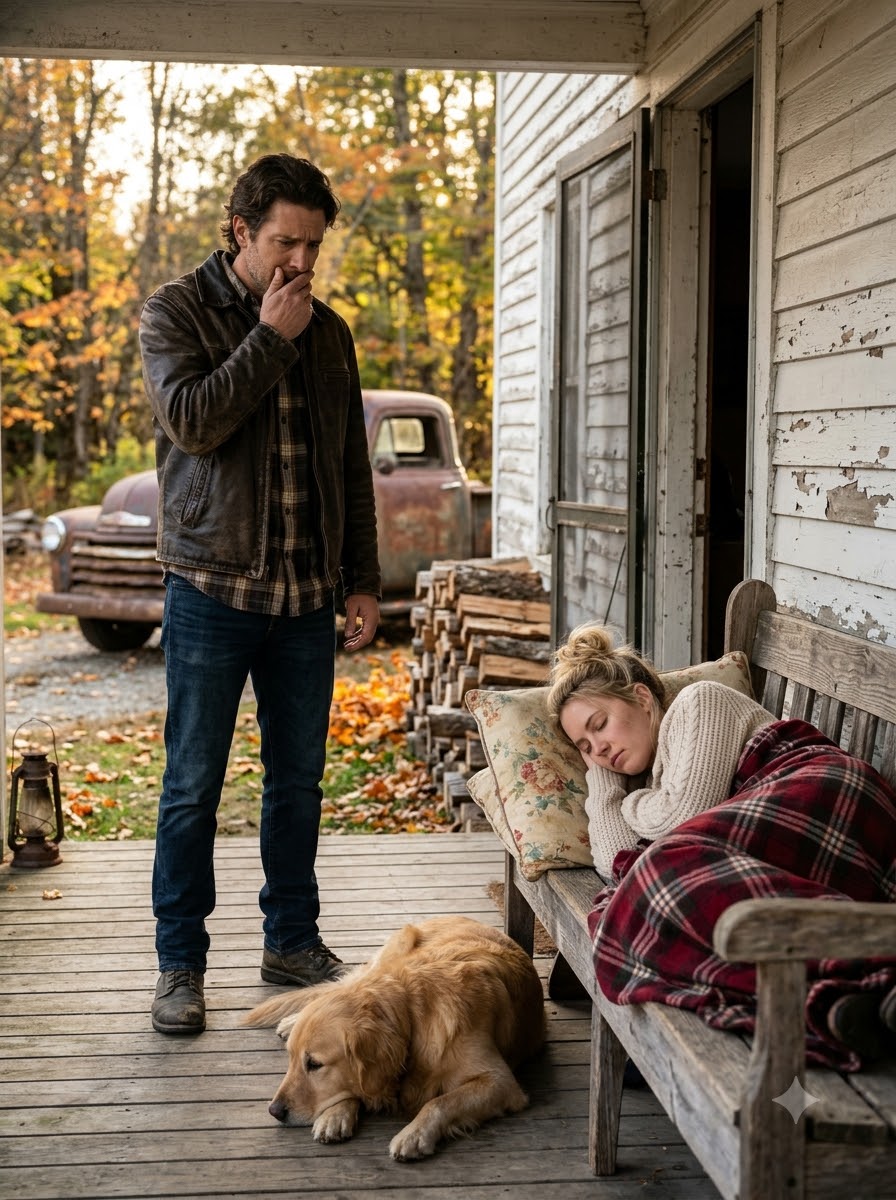
A person who has lost everything familiar can still rebuild a meaningful life when they rediscover their independence, recognize their worth, and surround themselves with people who respect their choices.
An apology becomes meaningful only when it is followed by consistent actions, especially when the person receiving it has already spent years carrying the consequences of someone else’s mistakes.
Forgiveness should never be treated as an obligation or a reward for good behavior, because every person deserves the freedom to decide when, whether, and how they are ready to trust again.
Sometimes love means stepping aside instead of taking control, offering support without conditions, and understanding that helping someone heal does not give you ownership of their future.
The most beautiful second chances are not necessarily the ones that restore everything to the way it was, but the ones that allow people to move forward with greater honesty, dignity, self-respect, and the freedom to choose their own happiness.
